Dopamine Supplements Enhancing Brain Health and Well-being
June 22, 2026
Nourishing Strands from Within
June 25, 2026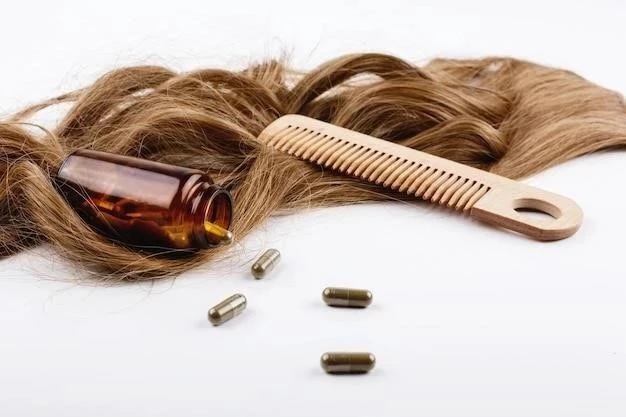
In pursuit of vibrant hair, hair supplements offer an internal solution. These specialized formulations nourish follicles, addressing thinning, slow growth, breakage, and overall hair health. While a balanced diet is crucial, modern lifestyles, stress, and deficiencies can hinder hair’s potential, making supplements an appealing internal boost.
Why Consider Hair Supplements?
Hair vitality reflects internal well-being. Factors compromising hair health often prompt supplemental support:
- Nutritional Deficiencies: Lack of essential vitamins, minerals, proteins impacts hair growth and strength.
- Stress & Lifestyle: Chronic stress, poor sleep, unhealthy habits disrupt hormones, contributing to hair loss.
- Environmental Damage: Pollution, harsh chemicals, and UV weaken hair.
- Aging: Hair naturally thins, grows slower; follicles become less productive.
- Specific Hair Concerns: Conditions like androgenetic alopecia, telogen effluvium, or desire for faster growth often prompt supplement use.
Key Ingredients in Hair Supplements
Many ingredients are known for hair-boosting properties. Here’s a look at common and effective components:
Vitamins
- Biotin (Vitamin B7): Crucial for keratin production, strengthening hair structure and growth.
- Vitamin A: Essential for cell growth (hair cells) and sebum production for scalp moisture.
- Vitamin C: Antioxidant, protects follicles from damage, vital for collagen production.
- Vitamin D: Plays a role in creating and activating new hair follicles.
- Vitamin E: Antioxidant, reduces oxidative stress on scalp, improves circulation.
- Other B Vitamins (B3, B5, B6, B12): Support energy production, red blood cell formation, and overall cellular health, aiding hair growth.
Minerals
- Iron: Deficiency (anemia) is a common hair loss cause. Essential for oxygen transport to follicles.
- Zinc: Crucial for hair tissue growth/repair, maintains oil glands. Deficiency causes hair loss.
- Selenium: Antioxidant mineral, protects cells, supports thyroid function (impacts hair growth).
Amino Acids & Proteins
- Keratin: Primary hair protein. Supplementing strengthens strands, improves elasticity.
- Collagen: Provides amino acids for hair proteins, strengthens hair, fights follicle damage.
- L-Cysteine / L-Methionine: Sulfur-containing amino acids, keratin building blocks, vital for strength.
Other Beneficial Compounds
- Omega-3 Fatty Acids: Nourish follicles, promote thickness, reduce scalp inflammation.
- Saw Palmetto: Blocks DHT, a hormone linked to androgenetic hair loss.
- Horsetail Extract (Silica): Strengthens hair, improves elasticity and shine.
- MSM (Methylsulfonylmethane): Sulfur compound, aids keratin production, extends growth phase.
- Ashwagandha: Adaptogen, manages stress (hair loss contributor) by regulating cortisol.
Choosing the Right Hair Supplement
Selecting an effective supplement requires consideration:
- Identify Needs: Target specific concerns (loss, growth, breakage) to guide ingredient selection.
- Consult Professional: Dermatologist/trichologist identifies underlying causes, recommends treatments.
- Check Ingredients & Quality: Look for reputable brands, high-quality, bioavailable ingredients, transparent labeling.
- Read Reviews: Offer insights into efficacy and potential side effects.
- Be Patient: Hair growth is slow. Expect consistent use for 3-6 months for noticeable results.
Potential Side Effects and Precautions
While generally safe, supplements can have side effects:
- Overdosing: Excessive intake (e.g., Vitamin A) can be toxic, paradoxically causing hair loss.
- Allergic Reactions: Some ingredients may trigger allergies.
- Drug Interactions: Supplements can interact with medications. Inform your doctor;
- Pregnancy/Breastfeeding: Consult a healthcare provider before use.
Beyond Supplements: A Holistic Approach
Supplements are most effective with a comprehensive hair care strategy:
- Balanced Diet: Prioritize whole foods: fruits, vegetables, lean proteins, healthy fats.
- Stress Management: Practices like yoga, meditation, or exercise reduce stress.
- Gentle Hair Care: Avoid harsh chemicals, excessive heat, tight hairstyles.
- Hydration: Drink plenty of water for body and hair hydration.
- Regular Exercise: Improves circulation, delivering nutrients and oxygen to the scalp.