

A Guide to Lymphatic Drainage Supplements
June 22, 2026
Hair Supplements Your Complete Guide
June 23, 2026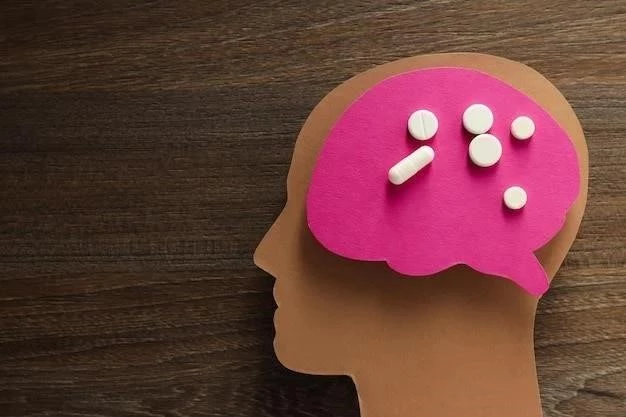
Dopamine, often dubbed the “feel-good” neurotransmitter, plays a crucial role in our brain’s reward system, motivation, pleasure, and motor control. Imbalances in dopamine levels can lead to a range of issues, from lack of motivation and focus to more severe conditions like Parkinson’s disease. Consequently, a growing interest has emerged in dopamine supplements as a potential means to support brain health and enhance well-being.
What is Dopamine?
As a neurotransmitter, dopamine facilitates communication between nerve cells. It’s integral to processes like learning, attention, mood regulation, and movement coordination. While we often associate it with pleasure, its primary role is more about motivation and the anticipation of rewards, driving us to seek out and achieve goals.
Why Consider Dopamine Supplements?
Many individuals explore dopamine supplements hoping to address symptoms associated with low dopamine, such as:
- Fatigue and low energy
- Lack of motivation or enthusiasm
- Difficulty concentrating
- Mood disturbances, including anhedonia (inability to feel pleasure)
- Restless legs syndrome
It’s important to clarify that most “dopamine supplements” don’t contain dopamine itself, as dopamine cannot cross the blood-brain barrier directly. Instead, they typically provide precursors, cofactors, or compounds that support dopamine production, release, or receptor sensitivity.
Common Types of Dopamine-Supporting Supplements
L-Tyrosine
An amino acid, L-Tyrosine is a direct precursor to dopamine, norepinephrine, and epinephrine. The body converts tyrosine into L-Dopa, which then becomes dopamine. It’s often used to improve cognitive function under stress and enhance alertness.
Mucuna Pruriens (Velvet Bean)
This Ayurvedic herb naturally contains L-Dopa, the immediate precursor to dopamine. Due to its direct conversion to dopamine in the brain, Mucuna Pruriens is sometimes used in the management of Parkinson’s disease, though it requires careful medical supervision.
SAM-e (S-Adenosyl-L-Methionine)
SAM-e is a compound naturally produced in the body and involved in various biochemical reactions, including neurotransmitter synthesis. It acts as a methyl donor, playing a role in the conversion of norepinephrine to epinephrine and indirectly influencing dopamine pathways. It’s often marketed for mood support.
Rhodiola Rosea
An adaptogenic herb, Rhodiola is believed to help the body adapt to stress. While not a direct dopamine precursor, it may influence dopamine levels by inhibiting the breakdown of neurotransmitters, potentially enhancing mood and focus.
Curcumin
The active compound in turmeric, curcumin has anti-inflammatory and antioxidant properties. Some research suggests it may indirectly support dopamine levels by protecting dopaminergic neurons and influencing dopamine receptor density.
Omega-3 Fatty Acids (EPA and DHA)
Found in fish oil, omega-3s are vital for brain health. They are believed to support neurotransmitter function, including dopamine, by maintaining cell membrane fluidity and reducing inflammation.
Vitamins and Minerals
- Vitamin B6: Essential for the conversion of L-Dopa to dopamine.
- Folate (Vitamin B9): Involved in the methylation cycle, which impacts neurotransmitter synthesis.
- Vitamin D: Receptors for Vitamin D are found in areas of the brain involved in dopamine regulation.
- Magnesium: A cofactor in many enzymatic reactions, including those involved in neurotransmitter synthesis.
Potential Benefits
When used appropriately and under guidance, dopamine-supporting supplements may contribute to:
- Improved mood and sense of well-being
- Enhanced motivation and drive
- Better focus and concentration
- Increased energy levels
Important Considerations and Risks
While potentially beneficial, dopamine supplements are not without risks and require caution:
- Not a Direct Fix: These supplements don’t directly add dopamine to your brain. Their effects are indirect and can vary greatly among individuals.
- Overstimulation: Excess dopamine can lead to anxiety, restlessness, insomnia, increased heart rate, and even psychosis in susceptible individuals.
- Interactions: They can interact dangerously with prescription medications, especially antidepressants (SSRIs, MAOIs), antipsychotics, and medications for Parkinson’s disease.
- Underlying Conditions: Low dopamine symptoms can stem from various health issues. Masking symptoms with supplements without addressing the root cause can be detrimental.
- Lack of Regulation: The supplement industry is not as strictly regulated as pharmaceuticals, meaning product quality and dosage can be inconsistent.
- Tolerance and Dependence: Some individuals may develop tolerance, requiring higher doses, or even dependence.
- Individual Variability: Genetic factors, diet, lifestyle, and existing health conditions significantly influence how one responds to these supplements.
Natural Ways to Support Dopamine
Before considering supplements, explore natural strategies:
- Regular Exercise: Boosts dopamine release.
- Balanced Diet: Rich in tyrosine-containing foods (lean meats, dairy, nuts) and B vitamins.
- Adequate Sleep: Essential for neurotransmitter regulation.
- Stress Management: Chronic stress can deplete dopamine.
- Mindfulness & Meditation: Can improve mood and brain function.
- Goal Setting & Achievement: The reward of accomplishment naturally increases dopamine.
Dopamine supplements offer an intriguing avenue for supporting brain health and mood. However, they are powerful agents that can have significant effects on brain chemistry. Due to the complex nature of neurotransmitter systems and the potential for adverse effects and drug interactions, it is paramount to consult a healthcare professional before starting any dopamine-supporting supplement regimen. A doctor can help determine if supplementation is appropriate for you, suggest the right type and dosage, and monitor for any side effects, ensuring a safe and effective approach to managing your health.