
Rhodiola Rosea 2000mg Dosage A Comprehensive Guide
September 17, 2026
Vitamin D3 Supplementation A Comprehensive Guide
September 18, 2026
Creatine monohydrate is one of the most researched and effective supplements for enhancing athletic performance and muscle growth. However, a common question among newcomers is: what does creatine monohydrate taste like? The answer isn’t straightforward, as the perceived taste varies significantly. This article delves into the nuances of creatine’s flavor profile, factors influencing it, and ways to mitigate any unpleasantness. We’ll aim for approximately .
The Basic Taste Profile
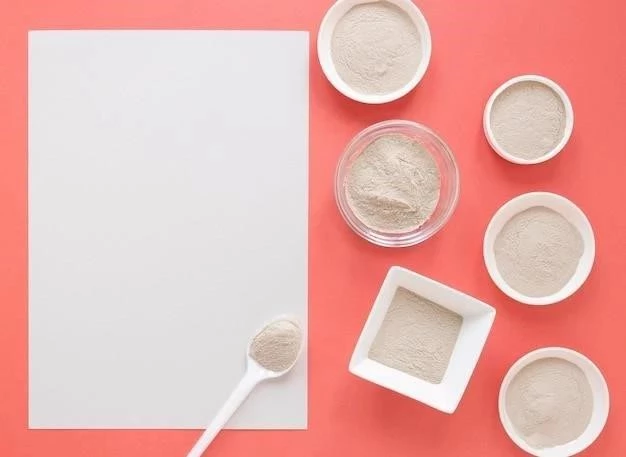
Pure creatine monohydrate is generally described as tasteless or having a very mild, slightly metallic flavor. It’s not inherently sweet, sour, or bitter. However, it’s not entirely without sensation. Many people report a subtle, almost chalky aftertaste. This isn’t a negative taste, but it can be noticeable, especially when mixed with water. The texture can also contribute to the perception of taste – the fine powder can feel slightly gritty.
Why Does it Sometimes Taste “Bad”?
The “bad” taste experiences often stem from a few key factors:
- Quality of Creatine: Lower-quality creatine may contain impurities that contribute to a more unpleasant taste. Look for brands with third-party testing for purity (e.g., Creapure).
- Mixing: Improper mixing is a major culprit. Creatine doesn’t dissolve completely in water; it suspends. This can lead to clumps and a concentrated, gritty taste.
- Liquid vs. Powder: While less common now, older formulations sometimes had a stronger, more noticeable taste.
- Individual Sensitivity: Taste perception is subjective. Some individuals are simply more sensitive to the subtle metallic notes.
Factors Influencing Taste Perception
Several elements can alter how you perceive the taste of creatine:
- Mixing Liquid: Mixing creatine with flavored beverages (juice, sports drinks) dramatically masks any subtle taste.
- Dosage: Higher doses are more likely to be noticeable.
- Hydration: Being well-hydrated can help dilute the creatine and minimize the taste.
- Temperature: Some find that warmer liquids help dissolve the creatine better, reducing grittiness.
How to Improve the Taste
If you find the taste of creatine unpalatable, here are some strategies:
- Mix with Juice: Grape, apple, or orange juice are popular choices.
- Combine with Sports Drinks: Electrolyte-rich drinks mask the flavor well.
- Blend into Smoothies: A smoothie provides ample flavor and texture to hide the creatine.
- Use Flavored Creatine: Many brands now offer creatine monohydrate in various flavors.
- Mix Thoroughly: Use a shaker bottle and shake vigorously for at least 30 seconds.
Micronized Creatine & Taste
Micronized creatine has smaller particles than standard creatine monohydrate. This means it dissolves more easily in liquid, reducing grittiness and potentially minimizing the perceived taste. While it doesn’t eliminate the subtle flavor entirely, it can make it less noticeable.
The taste of creatine monohydrate is generally mild, but can be perceived differently by individuals. By choosing a high-quality product, mixing it properly, and utilizing flavored beverages or micronized creatine, you can easily overcome any taste concerns and enjoy the benefits of this powerful supplement. Don’t let a slight taste deter you from experiencing the performance-enhancing effects of creatine!