
Essential Supplements for Your Second Trimester
June 21, 2026
Selenium Benefits Forms and Safe Supplementation
June 21, 2026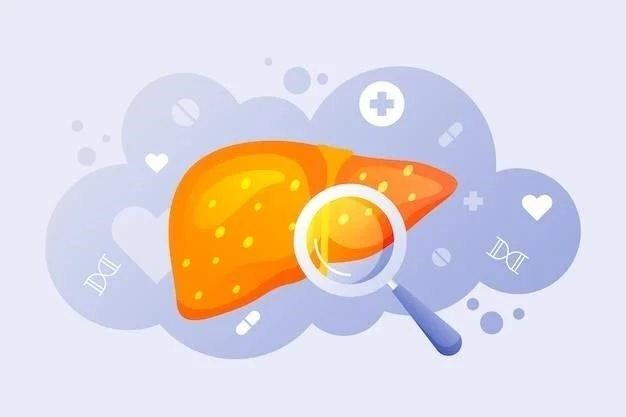
Understanding the Risk: Supplements and Liver Health
While many dietary supplements are marketed for health benefits, “natural” doesn’t guarantee “safe.” The liver, our primary detoxification organ, is highly vulnerable to adverse reactions from certain compounds. Supplement-induced liver injury (DILI) is a growing concern, often presenting with symptoms like fatigue, nausea, dark urine, or jaundice. Always consult a healthcare professional before starting new supplements, especially with pre-existing liver conditions or medications. Here are six linked to liver toxicity:
Green Tea Extract (GTE)
Popular for antioxidant properties and weight loss claims, concentrated green tea extracts (GTE) are linked to liver injury in some individuals. Catechins, particularly epigallocatechin gallate (EGCG), are believed to be the culprits, especially at high doses or on an empty stomach. The risk is significantly higher with isolated, concentrated extracts compared to drinking brewed green tea itself, prompting caution.
Kava (Piper methysticum)
Traditionally used in Pacific Island cultures for calming effects, Kava has a well-documented history of liver toxicity. Kavalactones, its active compounds, interfere with liver enzymes, potentially leading to severe liver damage, including hepatitis and liver failure. Due to these serious concerns, kava products have been restricted or banned in many countries worldwide, highlighting its risks.
Comfrey (Symphytum officinale)
Comfrey, an herb historically used orally and topically, contains pyrrolizidine alkaloids (PAs). These PAs are highly hepatotoxic and can cause veno-occlusive disease, a severe, potentially fatal form of liver damage. Due to its significant and well-established liver risks, internal use of comfrey is strongly discouraged and often prohibited by health authorities globally, advising caution.
Niacin (Vitamin B3)
While niacin is an essential B vitamin, very high doses (typically exceeding 1,000-2,000 mg/day), often prescribed for cholesterol, can cause hepatotoxicity. This can range from elevated liver enzymes to more severe conditions like cholestatic jaundice or fulminant hepatic failure. Extended-release forms may carry a lower flushing risk but still pose a notable liver risk at high dosages.
Vitamin A (Retinol)
Vitamin A is crucial for vision and immune function, but excessive intake, particularly from preformed vitamin A (retinol) in supplements and certain foods (like liver), can be highly toxic. Chronic high doses lead to hypervitaminosis A, characterized by liver fibrosis, cirrhosis, and portal hypertension. The safe upper limit for adults from supplements is generally 10,000 IU (3,000 mcg RAE) per day.
Garcinia Cambogia
Marketed as a weight loss aid, Garcinia cambogia, containing hydroxycitric acid (HCA), has been linked to numerous cases of significant liver injury. While the exact mechanism isn’t fully understood, theories suggest metabolic interference or idiosyncratic reactions. Reports range from mild liver enzyme elevations to severe hepatitis, occasionally requiring liver transplantation. Its efficacy for sustainable weight loss also remains largely unproven.
Important Considerations and Safe Supplementation
The liver’s capacity to metabolize substances makes it highly susceptible to injury from various compounds in supplements. Factors like individual genetics, pre-existing liver conditions, concurrent medication use, and potential adulterants significantly influence toxicity risk. Prioritize a balanced diet and healthy lifestyle. If liver dysfunction symptoms (fatigue, dark urine, jaundice) occur after a supplement, stop use immediately and seek medical attention. Choose reputable brands with third-party testing for purity and potency.