

Supplements for Cortisol Reduction
April 5, 2026
Weight Loss Supplements Understanding the Benefits Risks and Responsible Use
April 7, 2026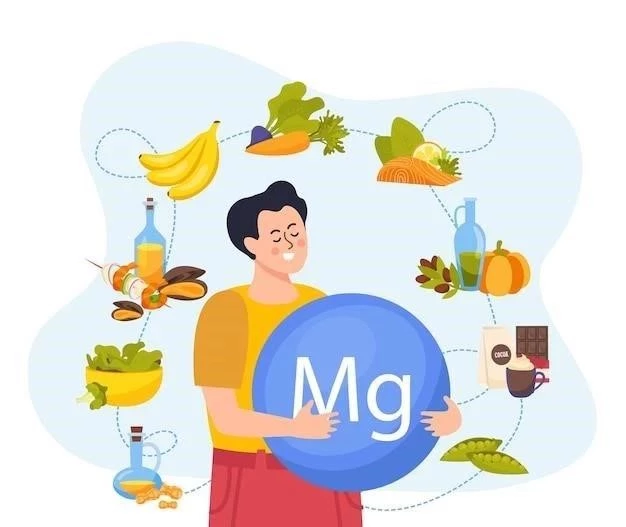
Zinc and magnesium are two indispensable minerals that play a staggering array of roles in human health. Despite their critical importance‚ deficiencies in both are remarkably common across populations‚ often due to modern diets‚ soil depletion‚ and lifestyle factors. Supplementation can be a vital strategy for many to ensure adequate intake and support numerous bodily functions‚ from immune defense to energy production and mental well-being.
The Power of Magnesium
What is Magnesium?
Magnesium is an electrolyte and the fourth most abundant mineral in the human body. It’s a cofactor in over 300 enzymatic reactions‚ meaning it’s required for these enzymes to function properly.
Key Functions:
- Energy Production: Crucial for ATP (adenosine triphosphate) synthesis‚ the body’s primary energy currency.
- Muscle and Nerve Function: Regulates muscle contractions and nerve signal transmission‚ preventing cramps and promoting relaxation.
- Blood Sugar Control: Improves insulin sensitivity‚ helping to manage blood glucose levels.
- Blood Pressure Regulation: Contributes to healthy blood vessel function and can help lower high blood pressure.
- Bone Health: Essential for bone formation and influences the activity of vitamin D and parathyroid hormone‚ both key to bone metabolism.
- Sleep and Mood: Involved in neurotransmitter regulation‚ promoting relaxation and aiding sleep quality‚ and may reduce symptoms of anxiety and depression.
Signs of Deficiency:
- Fatigue and weakness
- Muscle cramps and spasms
- Insomnia and restless sleep
- Anxiety‚ irritability‚ and depression
- Migraines and headaches
- Irregular heartbeat
Individuals at higher risk for magnesium deficiency include athletes‚ those under chronic stress‚ people with gastrointestinal issues‚ and those consuming excessive alcohol or certain medications (e.g.‚ diuretics‚ proton pump inhibitors).
When considering supplementation‚ various forms exist‚ such as magnesium citrate (good for constipation)‚ magnesium glycinate (highly absorbable‚ good for relaxation)‚ and magnesium malate (may help with energy and muscle pain). Typical dosages range from 200-400 mg daily‚ often taken in the evening to aid sleep.
The Importance of Zinc
What is Zinc?
Zinc is an essential trace mineral involved in over 300 enzymes and plays a pivotal role in maintaining health at a cellular level. It’s vital for growth‚ development‚ and immune function.
- Immune Function: Critical for the development and function of immune cells‚ helping the body fight off infections.
- Wound Healing: Essential for cell growth and repair‚ playing a significant role in skin integrity and wound recovery.
- DNA Synthesis and Cell Division: Involved in the fundamental processes of genetic material creation and cell replication.
- Taste and Smell: Necessary for the proper function of taste buds and olfactory receptors.
- Antioxidant Support: Acts as an antioxidant‚ helping to protect cells from oxidative damage.
- Hormone Production: Involved in the synthesis of various hormones‚ including testosterone and insulin.
- Frequent infections and impaired immune response
- Slow wound healing
- Hair loss
- Loss of appetite‚ impaired taste or smell
- Skin lesions and acne
- Growth retardation in children
Vegetarians‚ vegans‚ pregnant and lactating women‚ the elderly‚ and individuals with chronic digestive disorders are more susceptible to zinc deficiency. Plant-based diets can be particularly low in bioavailable zinc due to phytates.
Common zinc supplement forms include zinc gluconate‚ zinc picolinate‚ and zinc methionine‚ all of which are generally well-absorbed. Recommended daily intake typically ranges from 15-30 mg‚ usually taken with food to minimize stomach upset. Excessive zinc intake can lead to copper deficiency and other adverse effects‚ so monitoring dosage is important.
Synergistic Benefits & Considerations
While distinct in their primary roles‚ zinc and magnesium often work synergistically. Deficiencies in one can sometimes impact the absorption or utilization of the other. For instance‚ both are crucial for a healthy immune system‚ optimal sleep‚ and muscle recovery. Taking them together can offer comprehensive support for these functions.
For optimal absorption and to avoid potential interactions‚ some experts suggest taking magnesium in the evening (due to its relaxing properties) and zinc earlier in the day with food. High doses of zinc can interfere with copper absorption‚ so those on long-term‚ high-dose zinc regimens may need to consider a copper supplement. Likewise‚ very high doses of calcium can sometimes inhibit zinc absorption.
Potential Side Effects:
- Nausea‚ vomiting‚ diarrhea (especially with high doses)
- Stomach cramps
Before initiating any supplement regimen‚ especially if you have pre-existing health conditions or are taking medications‚ it is highly recommended to consult with a healthcare professional. They can assess your individual needs‚ recommend appropriate dosages‚ and help identify the best forms of these vital minerals for you.