

What Does Creatine Monohydrate Taste Like?
September 17, 2026
Utilizing 250g of Creatine Monohydrate Effectively
September 18, 2026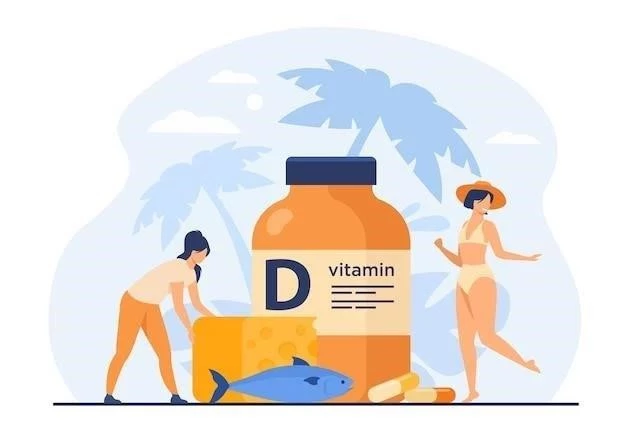
Vitamin D3, also known as cholecalciferol, is a fat-soluble vitamin crucial for numerous bodily functions. While our bodies can produce it through sun exposure, many factors – lifestyle, geography, skin pigmentation, and age – often lead to deficiency. This article explores the benefits, risks, dosage, and considerations surrounding Vitamin D3 supplementation.
Why is Vitamin D3 Important?
Vitamin D3 plays a vital role in:
- Bone Health: Facilitates calcium absorption, strengthening bones and preventing osteoporosis.
- Immune Function: Supports a healthy immune system, reducing susceptibility to illness.
- Mood Regulation: Linked to improved mood and potentially reduced symptoms of depression.
- Muscle Function: Contributes to muscle strength and function.
- Cell Growth: Involved in cell growth and differentiation.
Who Might Benefit from Vitamin D3 Supplements?
Several groups are at higher risk of Vitamin D deficiency:
- Individuals with Limited Sun Exposure: Those who spend most of their time indoors, wear covering clothing, or live in northern latitudes.
- People with Darker Skin: Melanin reduces the skin’s ability to produce Vitamin D from sunlight.
- Older Adults: Skin’s ability to synthesize Vitamin D declines with age.
- Individuals with Certain Medical Conditions: Conditions like Crohn’s disease, cystic fibrosis, and obesity can impair Vitamin D absorption.
- Breastfed Infants: Human milk is a poor source of Vitamin D.
Dosage and Forms of Vitamin D3
Dosage varies depending on individual needs and deficiency levels. It’s crucial to consult a healthcare professional to determine the appropriate dose.
Typical Dosage Ranges:
- Maintenance: 600-800 IU (International Units) daily for adults.
- Deficiency Correction: 1,000-4,000 IU daily, potentially higher under medical supervision.
- Very High Deficiency: Prescription-strength doses may be required.
Vitamin D3 is available in several forms:
- Capsules/Softgels: Common and readily available.
- Tablets: Another convenient option.
- Liquid Drops: Useful for those who have difficulty swallowing pills.
- Gummies: Palatable, but often contain added sugar.
Potential Risks and Side Effects
Vitamin D3 is generally safe when taken as directed. However, excessive intake can lead to:
- Hypercalcemia: High calcium levels in the blood, causing nausea, vomiting, weakness, and frequent urination.
- Kidney Problems: Prolonged hypercalcemia can damage the kidneys.
Important Note: Vitamin D3 can interact with certain medications. Always inform your doctor about all supplements you are taking.
Food Sources of Vitamin D
While supplementation is often necessary, incorporating Vitamin D-rich foods into your diet is beneficial:
- Fatty Fish: Salmon, tuna, mackerel
- Egg Yolks
- Fortified Foods: Milk, cereal, orange juice
- Beef Liver
Vitamin D3 is an essential nutrient with far-reaching health benefits. If you suspect you may be deficient, consult your doctor for testing and personalized recommendations. Supplementation, combined with a healthy diet and sensible sun exposure, can help you maintain optimal Vitamin D levels and support overall well-being.