

Creatina Monohidrato: Guía Completa para Mejorar tu Rendimiento Físico
August 23, 2026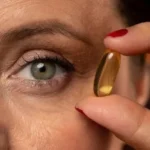
Supplements for Eye Health
August 23, 2026
Maintaining a healthy heart is crucial for overall well-being. While a balanced diet and regular exercise form the cornerstone of cardiovascular health, dietary supplements can play a supportive role. However, it’s vital to remember that supplements are not a replacement for lifestyle changes and should be discussed with a healthcare professional before starting any new regimen.
Key Supplements & Their Potential Benefits
- Omega-3 Fatty Acids: Found in fish oil, flaxseed oil, and algal oil, omega-3s (EPA and DHA) are renowned for reducing triglycerides, lowering blood pressure slightly, and decreasing the risk of arrhythmias. Dosage typically ranges from 1-4 grams daily.
- Coenzyme Q10 (CoQ10): An antioxidant naturally produced by the body, CoQ10 levels decline with age and statin use. It supports energy production in heart cells and may improve heart failure symptoms. Typical doses are 100-200mg daily.
- Magnesium: Essential for numerous bodily functions, magnesium helps regulate heartbeat and blood pressure. Deficiency is linked to increased heart disease risk. Supplementation (200-400mg daily) may be beneficial, especially for those with low dietary intake.
- Vitamin D: Low vitamin D levels are associated with increased cardiovascular risk. Supplementation (1000-2000 IU daily) may improve heart health, particularly in deficient individuals.
- Red Yeast Rice: Contains monacolin K, a natural statin. It can lower cholesterol, but quality control is a concern, and potential side effects are similar to statin drugs. Use with caution and medical supervision.
- Garlic: May help lower blood pressure and cholesterol. Studies show varying results; supplementation (600-900mg daily) may offer modest benefits.
- Hawthorn Berry: Traditionally used for heart conditions, hawthorn may improve blood flow and heart function. More research is needed, but doses typically range from 100-300mg daily.
Important Considerations & Cautions
- Drug Interactions: Supplements can interact with medications. Always inform your doctor about all supplements you are taking.
- Quality Control: The supplement industry is not heavily regulated. Choose reputable brands that undergo third-party testing (e.g., USP, NSF International) to ensure purity and potency.
- Dosage: Follow recommended dosages carefully. More is not always better, and excessive intake can be harmful.
- Individual Needs: Supplement needs vary based on individual health status, diet, and lifestyle.
- Not a Cure-All: Supplements are adjuncts to a healthy lifestyle, not replacements for it.
This information is for general knowledge and informational purposes only, and does not constitute medical advice. It is essential to consult with a qualified healthcare professional for any health concerns or before making any decisions related to your health or treatment.