
Top Gut Health Supplements A Comprehensive Overview
July 1, 2026
Timeline Nutrition Supplement Review: A Deep Dive into NAD+ Boosting
July 1, 2026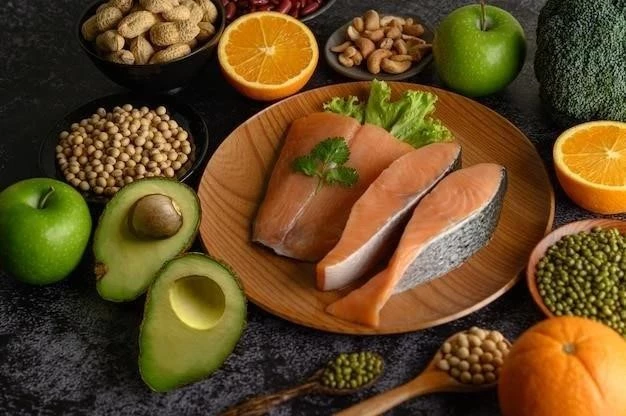
Maintaining optimal health requires a delicate balance of essential nutrients. This article explores the benefits of a combined approach utilizing 11mg of zinc‚ omega-3 fatty acids‚ and iron‚ focusing on their individual roles and synergistic effects. We’ll cover absorption‚ benefits‚ potential deficiencies‚ and considerations for supplementation.
The Role of Zinc (11mg Dosage)
Zinc is a vital trace mineral involved in numerous bodily functions‚ including immune function‚ wound healing‚ DNA synthesis‚ and cell growth. An 11mg dosage is a common supplemental amount‚ often falling within recommended daily intakes (RDIs) for adults‚ though individual needs vary.
- Immune Support: Zinc is crucial for the development and function of immune cells.
- Wound Healing: It plays a role in collagen synthesis‚ essential for tissue repair.
- Cognitive Function: Zinc supports brain health and cognitive processes.
Zinc Absorption & Considerations
Zinc absorption can be affected by several factors. Phytates in plant-based foods can inhibit absorption. Taking zinc with food can reduce absorption‚ but may also minimize stomach upset. Forms like zinc picolinate or zinc citrate are generally better absorbed than zinc oxide.
Omega-3 Fatty Acids: Beyond Heart Health
Omega-3 fatty acids‚ particularly EPA and DHA‚ are essential fats with wide-ranging health benefits. They are known for their role in heart health‚ but also impact brain function‚ inflammation‚ and eye health. Sources include fatty fish‚ flaxseeds‚ and chia seeds. Supplementation is common to ensure adequate intake.
- Anti-Inflammatory Effects: Omega-3s help reduce chronic inflammation.
- Brain Health: DHA is a major structural component of the brain.
- Cardiovascular Support: They contribute to healthy cholesterol levels and blood pressure.
Iron: The Oxygen Carrier
Iron is essential for carrying oxygen in the blood (hemoglobin) and muscle tissue (myoglobin). Iron deficiency is a common nutritional deficiency‚ leading to fatigue‚ weakness‚ and impaired immune function. Different forms of iron exist (heme and non-heme)‚ with heme iron (from animal sources) being more readily absorbed.
Synergistic Benefits: Why Combine Them?
These three nutrients don’t work in isolation.
- Zinc & Iron Absorption: Zinc can enhance iron absorption‚ particularly non-heme iron.
- Omega-3s & Inflammation: Omega-3s reduce inflammation‚ potentially improving zinc and iron utilization. Chronic inflammation can hinder nutrient absorption.
- Immune Function Boost: All three nutrients contribute to a robust immune system‚ working together to defend against illness.
Potential Deficiencies & Supplementation
Symptoms of zinc deficiency include impaired immune function‚ loss of appetite‚ and skin problems. Iron deficiency manifests as fatigue‚ weakness‚ and pale skin. Omega-3 deficiency can present as dry skin‚ fatigue‚ and poor concentration. Supplementation should be guided by a healthcare professional‚ based on individual needs and blood tests.
Important Considerations
Excessive zinc intake can interfere with copper absorption. High doses of iron can cause gastrointestinal distress. Omega-3 supplements can interact with blood-thinning medications. Always consult with a doctor before starting any new supplement regimen.