Fisetin: A Promising Senolytic Supplement for Healthy Aging
October 5, 2026
Protein and Biotin: A Synergistic Combination?
October 6, 2026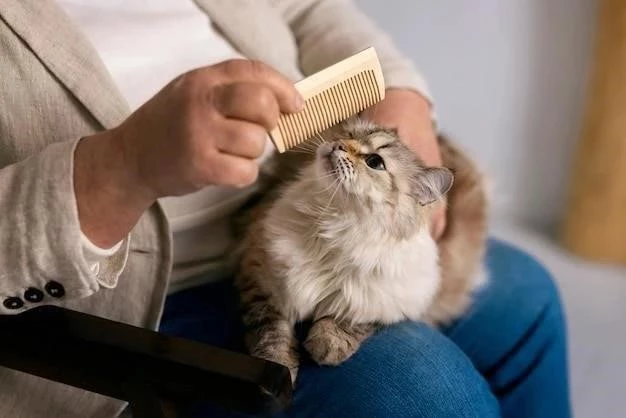
A healthy, glossy coat is a hallmark of a well-nourished cat. But what if your feline friend is experiencing hair loss, a dull coat, or slow regrowth? While underlying medical conditions should always be ruled out by a veterinarian, supplements can often play a supportive role in promoting optimal hair growth. This article explores the best cat supplements for hair growth, their benefits, and important considerations.
Understanding Hair Loss in Cats
Before diving into supplements, it’s crucial to understand why your cat might be losing hair. Common causes include:
- Allergies: Food or environmental.
- Parasites: Fleas, mites, or lice.
- Stress/Anxiety: Leading to overgrooming.
- Nutritional Deficiencies: Lack of essential fatty acids, vitamins, or minerals.
- Medical Conditions: Hyperthyroidism, ringworm, skin infections.
Important: If hair loss is sudden, patchy, or accompanied by other symptoms (itching, redness, lethargy), see your vet immediately. Supplements are not a substitute for veterinary care.
Key Supplements for a Healthy Coat
Omega-3 & Omega-6 Fatty Acids
These essential fatty acids are vital for skin and coat health. They reduce inflammation, improve skin barrier function, and promote a shiny, healthy coat. Sources include:
- Fish Oil: Salmon oil is a popular choice.
- Flaxseed Oil: A plant-based alternative.
- Sunflower Oil: Another plant-based option.
Dosage: Follow product instructions carefully, adjusting for your cat’s weight. Too much can cause digestive upset.
Vitamin E
A powerful antioxidant, Vitamin E protects skin cells from damage and supports healthy hair follicles. It often works synergistically with Omega fatty acids.
Biotin (Vitamin B7)
Biotin is frequently touted for hair growth in humans, and it can also benefit cats. It supports keratin production, a key protein in hair.
Caution: Biotin supplementation is generally safe, but excessive amounts can interfere with certain lab tests. Inform your vet if your cat is taking biotin.
Zinc
Zinc plays a role in skin cell growth and repair. Deficiency can lead to skin lesions and hair loss.
Vitamin A
Essential for cell growth and differentiation, including hair follicles. However, excess Vitamin A can be toxic. Use with caution and only under veterinary guidance.
Choosing the Right Supplement
Consider these factors:
- Form: Liquids, capsules, chews, or powders. Choose what your cat will readily accept.
- Quality: Look for reputable brands with third-party testing for purity and potency.
- Ingredients: Avoid supplements with unnecessary fillers or artificial ingredients.
- Your Cat’s Specific Needs: Discuss with your vet to determine the best supplement combination for your cat’s individual situation.
Important Considerations
Always consult your veterinarian before starting any new supplement regimen. They can diagnose the underlying cause of hair loss and recommend the most appropriate course of action. Supplements are supportive care, not a cure-all. A high-quality, balanced diet is the foundation of a healthy coat. Observe your cat for any adverse reactions (vomiting, diarrhea, loss of appetite) and discontinue use if they occur.