
The Essential Guide to Vitamin D Supplements
June 6, 2026
Keratin Supplements for Stronger Hair Skin and Nails
June 7, 2026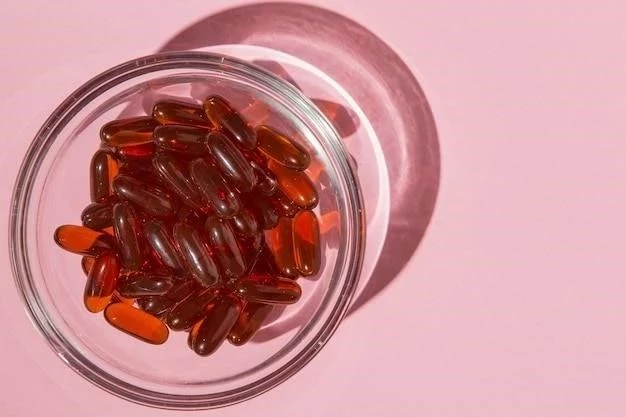
Fatty liver disease, medically known as hepatic steatosis, is a condition characterized by the accumulation of excess fat in the liver cells. It’s broadly categorized into two main types: Alcoholic Fatty Liver Disease (AFLD), caused by heavy alcohol consumption, and Non-Alcoholic Fatty Liver Disease (NAFLD), which is more common and not related to alcohol. NAFLD affects a significant portion of the global population, often linked to obesity, type 2 diabetes, insulin resistance, and high cholesterol. While lifestyle modifications remain the cornerstone of treatment, many individuals explore supportive supplements. This article delves into various supplements that may aid in managing fatty liver, emphasizing the crucial need for medical consultation.
The Role of Supplements in Fatty Liver Management
It is paramount to understand that supplements are not a cure for fatty liver disease and should never replace prescribed medical treatments or essential lifestyle changes. Instead, they are intended to complement a holistic management plan, potentially supporting liver health, reducing inflammation, improving insulin sensitivity, and aiding fat metabolism. Always consult a healthcare professional before starting any new supplement regimen, especially if you have underlying health conditions or are taking other medications.
Key Supplements for Fatty Liver Support
Below are some widely discussed supplements for fatty liver, along with their potential benefits:
Omega-3 Fatty Acids (Fish Oil)
- Rich in EPA and DHA, known for their potent anti-inflammatory properties.
- May help reduce liver fat accumulation and improve lipid profiles.
- Can enhance insulin sensitivity, a common issue in NAFLD.
Vitamin E
- A powerful antioxidant that can protect liver cells from oxidative stress.
- Some studies suggest high-dose vitamin E may improve liver inflammation and fibrosis in certain NAFLD patients without diabetes.
- Caution: High doses require medical supervision due to potential risks.
Milk Thistle (Silymarin)
- Contains silymarin, a flavonoid complex with antioxidant and anti-inflammatory effects.
- Widely used as a liver protective agent, potentially aiding in liver cell regeneration.
N-Acetyl Cysteine (NAC)
- A precursor to glutathione, the body’s master antioxidant.
- Supports detoxification pathways and may reduce oxidative stress in the liver.
Choline
- An essential nutrient vital for fat metabolism and transport.
- Deficiency can lead to fat accumulation in the liver.
- Crucial for the synthesis of VLDL (Very Low-Density Lipoproteins) which transport fat out of the liver.
Berberine
- A bioactive compound extracted from several plants.
- May improve insulin sensitivity, reduce liver fat, and possess anti-inflammatory effects.
Probiotics
- Support a healthy gut microbiome, which is closely linked to liver health (gut-liver axis).
- May reduce inflammation and improve gut barrier function, potentially influencing liver fat.
Coffee
- While not a traditional “supplement,” coffee consumption is linked to reduced risk and progression of liver diseases.
- Rich in antioxidants and anti-inflammatory compounds.
Important Considerations Before Supplementation
- Medical Consultation is Essential: Always discuss with your doctor before starting any new supplement.
- Quality and Dosage: Choose high-quality, third-party tested products. Dosage should be guided by a professional.
- Drug Interactions: Supplements can interact with medications, leading to adverse effects.
- Not a Standalone Treatment: Supplements are supportive; they do not replace diet, exercise, or medical therapy.
- Individual Variability: Responses to supplements can vary greatly among individuals.
Lifestyle Changes: The Foundation of Treatment
Effective management of fatty liver disease fundamentally relies on lifestyle modifications:
- Healthy Diet: Adopt a balanced diet rich in fruits, vegetables, whole grains, and lean proteins. Reduce processed foods, sugary drinks, and unhealthy fats. The Mediterranean diet or a low-carb approach can be beneficial.
- Regular Exercise: Aim for at least 150 minutes of moderate-intensity aerobic activity per week.
- Weight Loss: Even modest weight loss (5-10% of body weight) can significantly reduce liver fat.
- Avoid Alcohol: Essential for AFLD and highly recommended for NAFLD to reduce liver burden.
- Manage Underlying Conditions: Control diabetes, high cholesterol, and high blood pressure.
Fatty liver supplements can offer supportive benefits when integrated into a comprehensive management plan. However, their efficacy varies, and they must always be used under the guidance of a healthcare professional. The cornerstones of fatty liver treatment remain a healthy diet, regular exercise, weight management, and addressing underlying metabolic conditions. Prioritizing these foundational lifestyle changes, coupled with informed decisions about supplements, provides the most effective pathway to improving liver health.