
Fibre Supplements Benefits Types and Usage
May 17, 2026
9 Essential Amino Acids Benefits for Health and Performance
May 18, 2026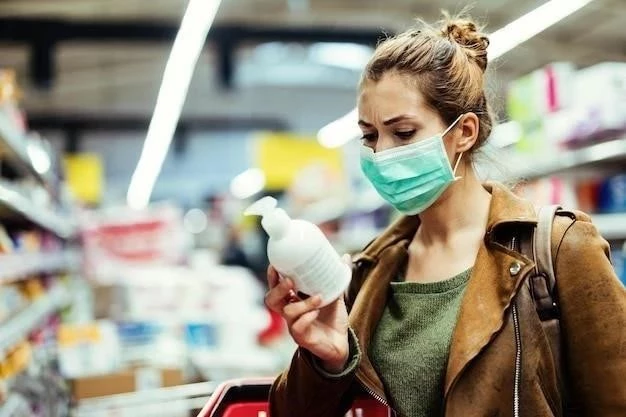
Dietary supplement recalls are very critical alerts, signaling potential dangers to public health. While supplements offer various health benefits, recalls highlight industry vulnerabilities, from manufacturing errors to deceptive marketing practices. Understanding why recalls occur, how regulators intervene, and what specific consumer actions are paramount for safeguarding one’s health and making informed choices.
Why Are Supplements Recalled?
Recalls stem from numerous issues often posing significant health risks. Key reasons include:
- Undeclared or Banned Ingredients: This is perhaps the most dangerous category, often found in weight loss, sexual enhancement, or bodybuilding supplements. These hidden ingredients include prescription drugs, controlled substances, or unapproved chemicals, which can interact dangerously with existing medications, worsen underlying health conditions, or cause severe side effects like heart problems or liver damage.
- Contamination: Products can be contaminated with harmful heavy metals (e.g., lead, mercury), pesticides, dangerous bacteria (e.g., Salmonella), mold, or undeclared allergens during manufacturing or storage. Risks range from acute poisoning, severe allergic reactions, to long-term health complications.
- Mislabeling/Incorrect Potency: Products may contain different ingredients than advertised or an incorrect potency (either too high or too low) of active compounds. This leads to ineffective products or dangerous overdoses, potentially causing serious adverse health crises.
- Manufacturing Defects: Poor quality control during production, incorrect formulation, or improper packaging can compromise product integrity and overall safety, leading to potential contamination or reduced efficacy.
- Adverse Event Reports: Numerous serious adverse reactions reported by consumers directly to regulatory bodies can trigger investigations and potential recalls if a clear link to the product is established.
Role of Regulatory Bodies
In the US, the Food and Drug Administration (FDA) primarily oversees dietary supplements; Unlike prescription drugs, supplements don’t require pre-market FDA approval; manufacturers are responsible for ensuring safety. The FDA monitors the market, investigates complaints, and acts on unsafe or mislabeled products via warning letters, product seizures, or initiating mandatory recalls. Many recalls are voluntary, initiated by manufacturers. Global agencies like Health Canada, EFSA, and TGA operate similarly, crucial in a globalized market ensuring consumer protection.
Staying Informed and Acting
Consumer vigilance is vital for navigating the supplement market safely. Steps to stay safe:
- Monitor Official Recall Databases: Regularly check the FDA’s website (fda.gov/safety/recalls-market-withdrawals-safety-alerts) and other national health agencies for timely announcements.
- Sign Up for Alerts: Subscribe to email notifications from reputable regulatory bodies to receive timely updates.
- Inspect Products: Always check packaging for signs of tampering, unusual odors, or discoloration. Verify lot numbers and expiration dates meticulously.
- Consult Healthcare Professionals: Discuss any supplements you plan to take with your doctor or a registered dietitian, especially with existing health conditions or other medications, to avoid harmful interactions.
- Report Adverse Events: Report any adverse reactions after taking a supplement to your healthcare provider and the relevant agency (e.g., FDA’s MedWatch program). This crucial step helps identify dangerous products and protect others.
- What to Do with a Recalled Product: Stop use immediately. Follow specific recall instructions: return for a full refund or dispose safely as advised by the manufacturer or regulatory body. Do not simply discard, as it poses risks to others or the environment.
Broader Impact of Recalls
Supplement recalls have far-reaching consequences. For consumers: serious health issues, unexpected medical expenses, and a profound loss of trust. For manufacturers: significant financial losses (product retrieval, disposal, legal fees), and irreparable brand reputation damage. Frequent recalls highlight the urgent need for stronger regulatory oversight and stringent quality control within the supplement industry to effectively protect public health.
While dietary supplements can play a beneficial role in many people’s health regimens, the reality of recalls underscores the importance of informed decision-making. By understanding the inherent risks, staying vigilant, and utilizing available resources, consumers can better protect themselves from potentially harmful products and make safer wellness choices for their future.